
Support That Keeps Movement Manageable
Mobility & Transfer Assistance in Jonesboro for clients recovering from illness, injury, or surgery
Mary Kares Home Care LLC provides mobility and transfer assistance for seniors in Jonesboro who need help with walking, standing, repositioning, or moving safely between surfaces. When strength or balance becomes unreliable, everyday movements that once required no thought—getting out of bed, standing from a chair, walking to the bathroom—turn into obstacles that limit what you can do independently. Assistance with these movements helps you maintain daily routines without the constant worry of falling or needing to wait for help.
This service addresses the physical challenges that follow surgery, illness, or progressive mobility decline by supporting movements you're no longer able to complete confidently on your own. Caregivers assist with positioning during transfers, provide stability while walking, and help with standing or sitting in ways that reduce strain and prevent falls.
Arrange a consultation to discuss which mobility tasks need support and how assistance can fit your daily schedule.
How Mobility Support Changes Daily Function
Mobility assistance involves hands-on support during specific movements where balance, strength, or coordination has declined. Caregivers position themselves to provide stability during transfers from bed to chair, assist with standing from seated positions, and walk alongside clients who need steadying contact or verbal cues to maintain balance. The approach depends on your current ability level—some clients need light contact for reassurance, while others require full weight-bearing support during transfers.
Once mobility assistance is in place, you'll notice that movements causing hesitation or anxiety become routine again. Walking to the kitchen no longer requires waiting until someone is home, repositioning in bed happens without struggling, and getting dressed proceeds without exhausting yourself before the day begins. Mary Kares Home Care LLC tailors the level of support to what you can do safely on your own versus where assistance actually prevents risk.
Fall prevention strategies include identifying environmental hazards in your home, suggesting modifications like grab bars or walker placement, and recognizing fatigue patterns that increase fall risk during certain times of day. The service also supports clients building strength back after hospitalization by encouraging movement within safe limits rather than avoiding activity altogether.
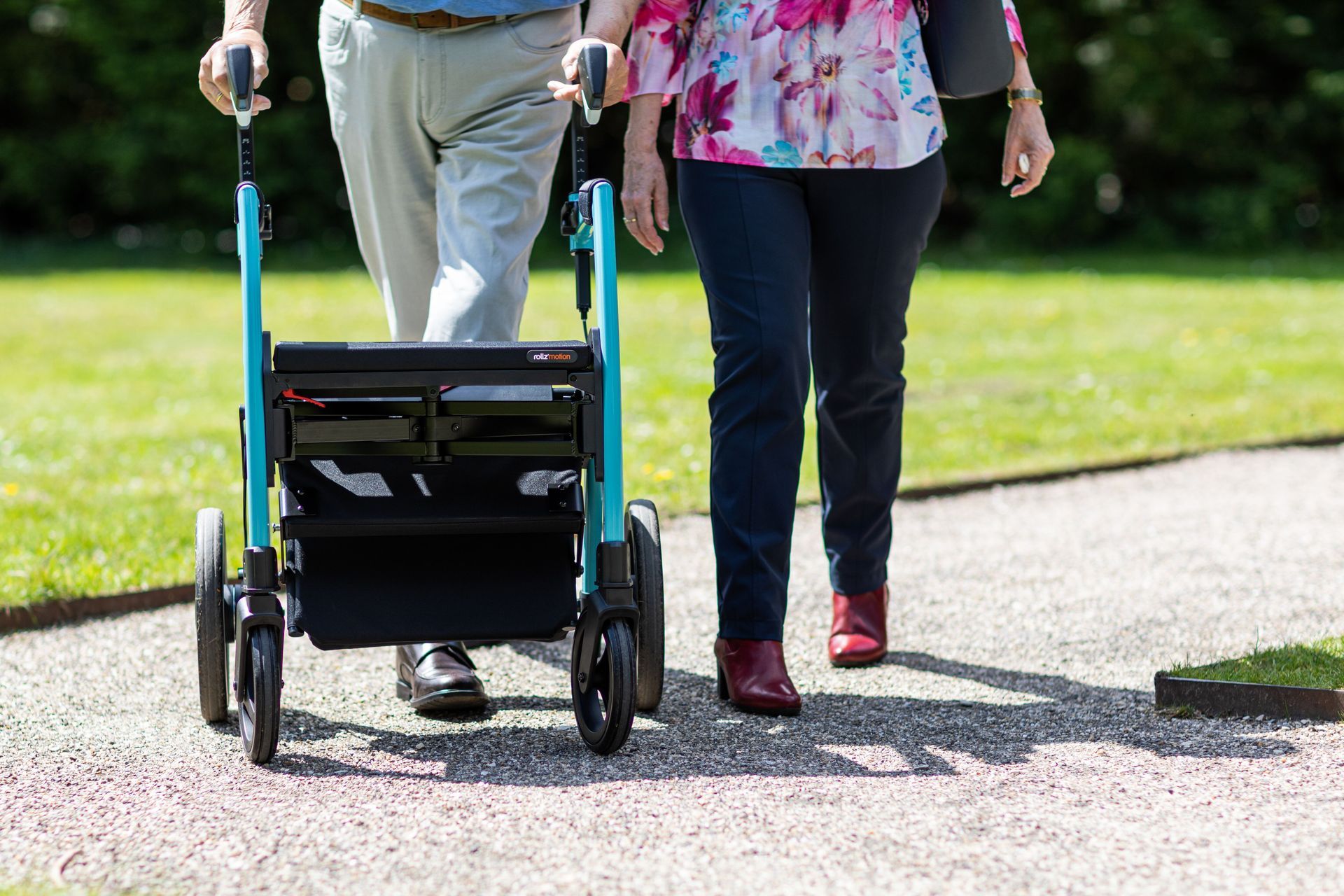
The questions below address common concerns about how mobility support works and what changes it creates for clients recovering strength or managing ongoing limitations.
What Families Ask About Mobility Assistance
What types of transfers does this service assist with?
Caregivers help with bed-to-chair transfers, toilet transfers, getting in and out of vehicles, and moving between any surfaces where balance or strength creates fall risk during the transition.
How does mobility assistance differ from physical therapy?
This service provides non-medical support with daily movements and activities, while physical therapy focuses on clinical rehabilitation exercises designed to restore specific functions under a treatment plan.
When should mobility support start after surgery or hospitalization?
Assistance is most effective when arranged before discharge, so support is already in place when you return home and movement is still difficult or painful.
How do caregivers in Jonesboro adjust assistance as strength improves?
Support levels are modified based on your progress—what begins as full transfer assistance may shift to standby supervision as you regain confidence and strength over weeks or months.
What should I look for in a caregiver providing mobility assistance?
Look for caregivers trained in proper body mechanics during transfers, who recognize signs of fatigue or pain, and who allow you to participate in movements to the extent you're safely able rather than doing everything for you.
Mary Kares Home Care LLC works with families concerned about fall risk or mobility decline following medical events. Schedule an evaluation to determine which movements need assistance and what support schedule maintains safety without reducing independence unnecessarily.