
Home Care That Bridges Hospital Discharge
Post-Hospital Recovery Support in Jonesboro for clients transitioning home after surgery, illness, or medical events requiring hospitalization
Hospitals discharge patients once acute medical needs stabilize, but recovery continues at home where you still need help with meals, bathing, medication schedules, and mobility while strength and function gradually return. The gap between hospital-level care and full independence creates risk—missed medications, skipped meals, falls during unsupervised movement, and delayed recovery when discharge instructions aren't followed correctly. Mary Kares Home Care LLC provides post-hospital recovery support in Jonesboro to help clients transition safely from hospital to home with non-medical assistance that maintains routines, reduces physical strain, and supports healing during the weeks following discharge.
Recovery support includes medication reminders based on discharge instructions, meal preparation that follows dietary restrictions, transportation to follow-up appointments, mobility assistance during movements that remain difficult, and help with personal care tasks requiring more energy than you currently have. Caregivers work from physician recommendations and discharge plans to provide support aligned with your recovery goals.
Arrange recovery support before discharge so assistance is already in place when you arrive home and daily tasks still feel overwhelming.
Why Recovery Support Improves Outcomes After Hospitalization
Post-hospital support involves caregivers assisting with daily activities that patients cannot yet manage independently due to surgical restrictions, fatigue, pain, or mobility limitations following medical events. This includes preparing meals that meet post-discharge dietary requirements, providing medication reminders at scheduled times, assisting with bathing and dressing when movement is restricted, and offering stability during walking or transfers while strength rebuilds. Caregivers also coordinate transportation to follow-up appointments and physical therapy sessions that are critical during early recovery.
Once recovery support begins, you'll notice that discharge instructions get followed consistently because someone is actively helping you complete them rather than expecting you to manage everything independently while still recovering. Meals happen on schedule even when cooking feels exhausting, medications get taken at correct times instead of being missed or doubled, and movement around the house becomes safer because assistance is available when balance or strength falters.
Recovery care plans are flexible and adjust as your abilities improve—tasks requiring full assistance during the first week post-discharge often shift to standby supervision by week three as strength returns and confidence rebuilds. Caregivers monitor progress and reduce support levels as recovery milestones are met, maintaining independence rather than creating unnecessary dependence.
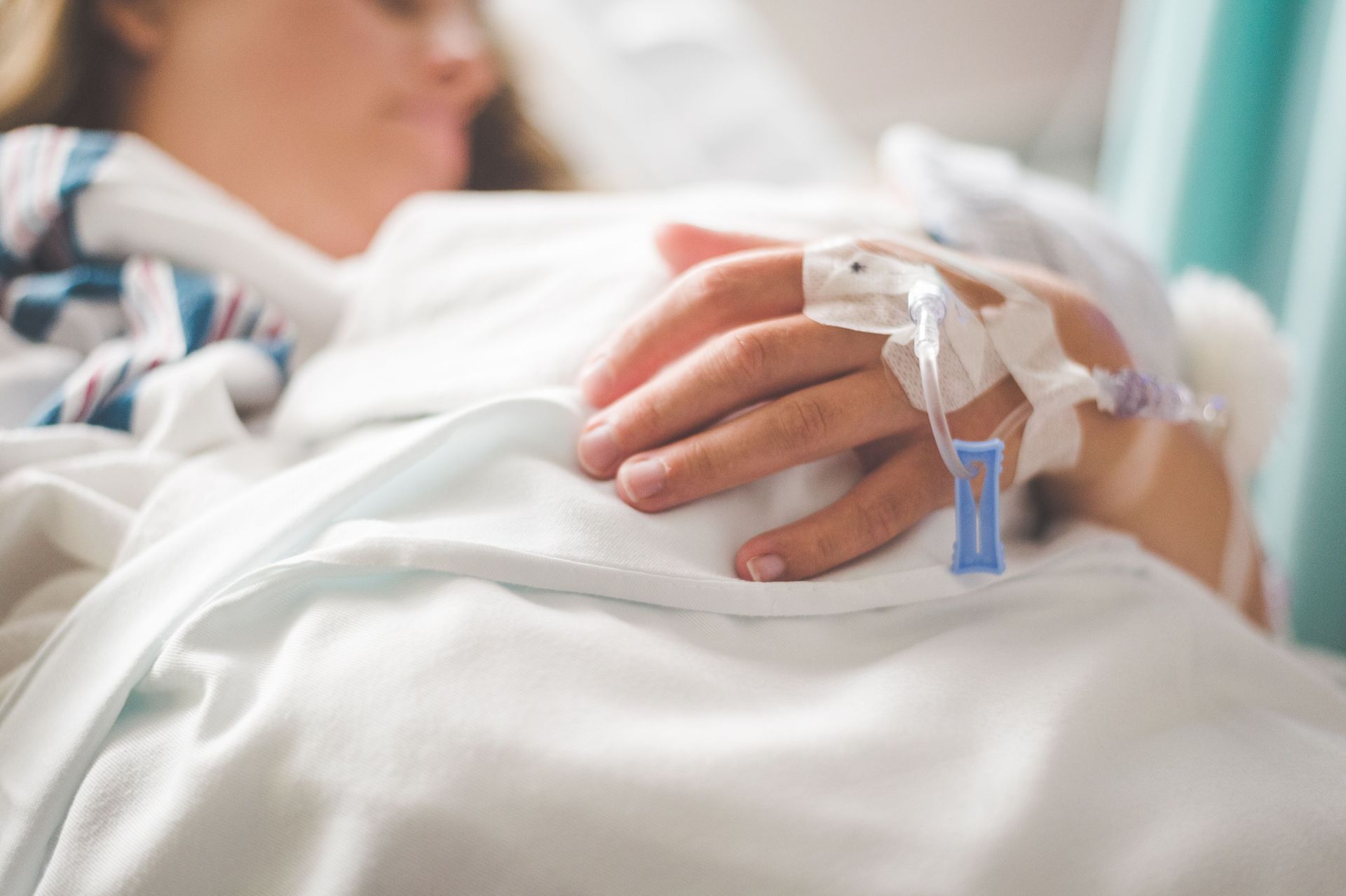
The questions below address how recovery care works during the transition from hospital to home and what it provides beyond basic assistance.
Frequently Asked Recovery Support Questions
What does post-hospital support include during the first week home?
Initial support typically involves assistance with all personal care tasks, meal preparation, medication reminders, mobility support during transfers and walking, light housekeeping, and transportation to any follow-up appointments scheduled immediately after discharge.
How does recovery support help prevent hospital readmission?
Consistent assistance with medications, nutrition, mobility, and appointment attendance reduces the complications that commonly lead to readmission—medication errors, malnutrition, falls, infections from poor hygiene, and missed follow-up care.
When should recovery care be arranged relative to hospital discharge?
Ideally, recovery support should be scheduled several days before discharge so caregivers can review discharge instructions, understand physician recommendations, and prepare the home environment before the patient arrives.
How long does post-hospital support typically continue for clients in Jonesboro?
Duration depends on the medical event and individual recovery progress, ranging from one to two weeks for minor procedures to several months for major surgeries or strokes requiring extended rehabilitation.
What should families provide to caregivers at the start of recovery support?
Provide discharge paperwork including medication lists with dosing schedules, dietary restrictions, mobility limitations or weight-bearing restrictions, follow-up appointment details, and emergency contact information for physicians managing recovery.
Mary Kares Home Care LLC helps families prepare for hospital discharge by arranging recovery support that reduces complications and improves healing. Contact us to establish a care plan before discharge so the transition home proceeds smoothly and recovery stays on track.